
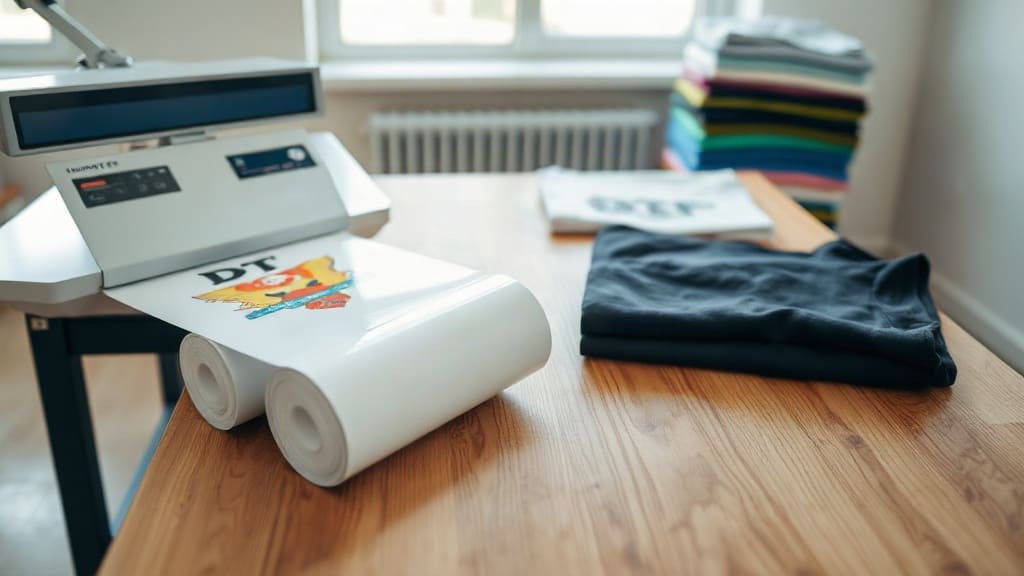
If you're diving into the custom apparel world, you've likely heard about DTF transfers. They've revolutionized how we print designs on fabric, offering a flexible, high-quality alternative to traditional methods. But not all transfers are created equal. The difference between a print that lasts for years and one that fades after a few washes often comes down to the quality of the transfer you start with. In this guide, I'll walk you through what to look for when choosing DTF transfers, so you can produce garments that not only look great but also stand the test of time.
Understanding DTF Transfers: A Quick Recap
Direct-to-film (DTF) printing involves printing your design onto a special film, applying adhesive powder, and then heat-pressing it onto fabric. Unlike screen printing, there's no need for screens or setup charges, making it perfect for small batches and intricate designs. The result is a soft, stretchy, and detailed print that works on cotton, polyester, blends, and even leather.
But the success of your final product hinges on the DTF transfers you use. Low-quality options can crack, peel, or fade, damaging your brand's reputation. So, let's break down the critical factors to consider.
Key Factors to Evaluate in DTF Transfers
1. Print Quality and Resolution
Start by examining the print resolution. High-quality DTF transfers have sharp, vibrant colors with no banding or pixelation. Look for a resolution of at least 300 DPI. If you're printing detailed logos or photographs, this is non-negotiable. Ask suppliers for samples and test them yourself. A quick way to gauge quality is to stretch the printed area after pressing. If the ink cracks or the film shows through, it's a red flag.
2. Film Quality and Coating
The film used in DTF transfers plays a crucial role in how well the design adheres. Premium films have a smooth, uniform coating that holds the ink properly. Cheaper films might have an uneven coating, leading to inconsistent adhesion or ink bleeding. Opt for films that are specifically designed for DTF printing, and don't be afraid to ask about the brand. Reputable manufacturers often use PET film with a special release coating.
3. Adhesive Powder and Its Application
The adhesive powder is what makes the transfer stick to your garment. The powder should be fine and evenly distributed. When you press, it should melt smoothly, creating a strong bond. If the powder is coarse or applied unevenly, you'll end up with areas that don't adhere properly. Some suppliers offer pre-powdered films, which simplifies the process but might limit customization. For best results, many printers prefer to apply their own powder to control the amount.
4. Ink and Durability
Ink quality directly impacts washability. High-quality DTF inks are water-based and contain pigments that bond well with the adhesive. They should resist fading, cracking, and peeling even after multiple washes. To test durability, wash a sample garment several times and observe. A good transfer should withstand at least 30+ washes without significant color loss. Also, check if the ink is eco-friendly, as this is a growing concern for many consumers.
Comparing DTF Transfers to Other Methods
While DTF transfers are fantastic, they're not the only option. Let's compare them to vinyl and screen printing to see where they shine.
DTF vs. Vinyl
Vinyl is great for simple, one-color designs, but for multi-color or highly detailed artwork, DTF is superior. DTF offers a softer feel, better color gradients, and the ability to print on various fabrics without the need for special vinyl types. Plus, DTF has a higher production speed for multicolor orders.
DTF vs. Screen Printing
Screen printing is cost-effective for large quantities, but it has a high setup cost and isn't practical for small runs. DTF transfers have no setup fees, making them ideal for custom orders, samples, and low-volume production. They also allow for greater flexibility in design changes, as you simply print a new film.
How to Assess a DTF Transfer Supplier
Choosing the right supplier is just as critical as the transfer itself. Here's what to look for:
- Reputation and Reviews: Look for suppliers with a proven track record. Check online reviews and ask for references from other businesses.
- Sample Requests: A reliable supplier will offer samples. Test them rigorously, not just visually but also with wash tests.
- Turnaround Time: If you're running a business, timely delivery is key. Ask about their production times and shipping options.
- Customer Support: Do they offer technical support? If you encounter issues, a responsive team can save you time and money.
- Customization: Can they match Pantone colors or provide custom film sizes? This flexibility can be a huge advantage.
Best Practices for Using DTF Transfers
Once you've chosen your DTF transfers, proper application is essential. Here are some tips:
- Pre-press your garment: This removes moisture and wrinkles, ensuring a better bond.
- Use the right temperature and pressure: Typically, 160°C (320°F) for 15-20 seconds works well, but always follow the supplier's instructions.
- Peel warm or cold: Some films require hot peeling, others cold. Check the specifics.
- Post-press with a cover sheet: This can enhance adhesion and protect the design.
Remember, consistency is key. Keep a log of your settings to replicate successful results.
Cost Considerations and Value
While price is important, it shouldn't be the sole deciding factor. Cheaper DTF transfers might save you money upfront, but they could cost more in the long run due to returns or reprints. Calculate the cost per successful print, including wasted materials. Often, paying a little more for quality saves you headaches later.
Frequently Asked Questions
What is the best fabric for DTF transfers?
DTF transfers work well on a variety of fabrics, but they excel on cotton and cotton blends. They also perform on polyester, but you might need to adjust the pressure and temperature to prevent ghosting. For best results, test on your specific fabric.
How many washes can DTF transfers withstand?
High-quality DTF transfers can last 30-50 washes or more if applied correctly. The key is using quality materials and following the recommended care instructions, like washing inside out in cold water.
Can DTF transfers be used on dark-colored garments?
Absolutely. Unlike some other methods, DTF transfers don't require a white base layer because the adhesive powder and white ink layer are applied during printing. This makes them perfect for dark colors.
Are DTF transfers eco-friendly?
Many DTF inks are water-based and free from harmful chemicals, making them more eco-friendly than plastisol inks. However, it's essential to choose suppliers that use sustainable practices and offer compliant materials.
What is the difference between DTF and DTG printing?
DTG (direct-to-garment) prints directly onto the shirt, while DTF transfers are printed onto film and then heat-pressed. DTF is more versatile for different fabric types and offers a softer feel, but DTG is better for very high-detail prints on cotton.
Final Thoughts
Choosing the right DTF transfers is a blend of art and science. By focusing on quality, testing samples, and understanding your needs, you can create apparel that delights your customers and builds your brand. Don't rush the process; invest time in finding a supplier who aligns with your standards. Your business deserves the best, and so do your customers.