
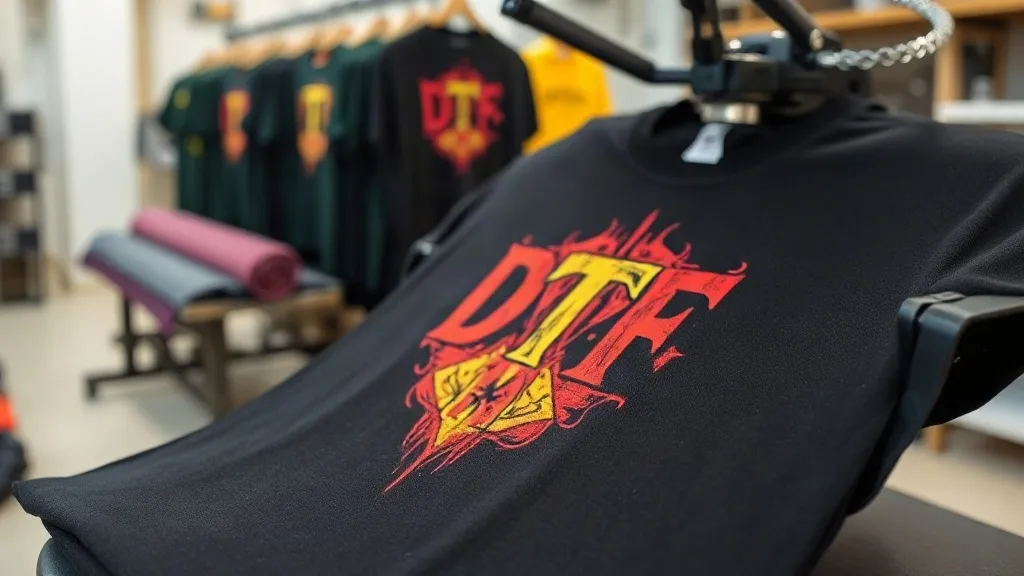
If you have ever tried to print a detailed, multicolor design onto a dark cotton t-shirt, you know the frustration: the colors fade, the edges crack, or the whole print feels stiff and plastic-like. For years, screen printing and heat transfer vinyl (HTV) were the go-to methods, but each came with trade-offs. Enter dtf transfers, a technology that has quickly become a favorite among crafters and commercial printers alike. In this guide, we will walk you through everything you need to know about DTF transfers: what they are, how they work, and why they might just be the solution you have been looking for.
What Are DTF Transfers?
DTF stands for Direct to Film. Unlike DTG (Direct to Garment) printing, which prints directly onto the fabric, DTF involves printing your design onto a special PET film, coating it with a hot-melt adhesive powder, and then transferring it to the garment using a heat press. The result is a vibrant, durable print that adheres to a wide range of fabrics, including cotton, polyester, blends, and even nylon. The process is gaining massive popularity because it eliminates many of the limitations of other printing methods.
How Does the DTF Printing Process Work?
Understanding the steps behind DTF printing can help you appreciate why it produces such high-quality results. Here is a breakdown of the process:
- Design Preparation: Your artwork is prepared digitally, with colors separated and adjusted for the printer. No color limitations like screen printing.
- Printing: A specialized DTF printer uses CMYK plus white ink to print the design onto a PET film. The white ink acts as a base, allowing the colors to pop on any fabric color.
- Powder Application: While the ink is still wet, a hot-melt adhesive powder is sprinkled over the film. The excess powder is shaken off, leaving a thin, even layer.
- Curing: The film is then heated to melt the powder, creating a dry, ready-to-use transfer.
- Heat Pressing: The transfer is placed onto the garment and pressed with a heat press at a specific temperature and time. Once cooled, the film is peeled away, leaving the design bonded to the fabric.
Why Choose DTF Transfers Over Other Methods?
DTF transfers offer several compelling advantages that make them stand out:
- Unmatched Versatility: They work on virtually any fabric, including dark colors, which is a challenge for DTG. You can also apply them to canvas bags, hats, and more.
- Vibrant Colors: The white ink base ensures that colors remain bright and opaque, even on black or navy garments.
- Fine Detail: DTF can reproduce intricate details, gradients, and photographs with stunning accuracy.
- Durability: When applied correctly, DTF prints withstand repeated washing without cracking or fading.
- No Weeding or Cutting: Unlike HTV, there is no need to manually cut around the design, saving time and reducing waste.
- Cost-Effective for Short Runs: Unlike screen printing, which requires setup costs per color, DTF is economical for small batches and one-offs.
DTF Transfers vs. Other Printing Methods
DTF vs. Screen Printing
Screen printing is excellent for large orders of simple designs, but it struggles with complex, multicolor images and is not cost-effective for small runs. DTF handles intricate designs with ease and requires no minimum order.
DTF vs. DTG
DTG prints directly onto the garment, which limits it mostly to cotton and pre-treated fabrics. DTF works on a wider range of materials and often produces more vibrant results on dark colors. DTG can also feel softer, but DTF has improved significantly in feel.
DTF vs. HTV
HTV is great for simple text and shapes, but weeding (cutting away excess vinyl) is time-consuming and not practical for detailed designs. DTF eliminates weeding entirely and can handle full-color images.
Applications of DTF Transfers
DTF transfers are used in a variety of settings, from home-based crafters to large commercial print shops. Common applications include:
- Custom t-shirts, hoodies, and tank tops
- Sportswear and team uniforms
- Tote bags and backpacks
- Hats and caps
- Promotional items and corporate apparel
- Personalized gifts
How to Apply DTF Transfers: Step-by-Step
Applying DTF transfers is straightforward, but following the correct steps ensures a long-lasting result.
- Preheat the Garment: Use your heat press to remove moisture and wrinkles. This helps the transfer adhere better.
- Position the Transfer: Place the DTF transfer onto the garment with the printed side facing up. The adhesive side should be against the fabric.
- Press: Set your heat press to the recommended temperature (usually 300-325°F) and pressure (medium to firm). Press for 10-15 seconds.
- Peel: Allow the transfer to cool completely before peeling off the film. This is called a "cold peel." Some transfers may require a hot peel, so always check the instructions.
- Post-Press (Optional): For extra durability, you can cover the design with a Teflon sheet or parchment paper and press again for a few seconds.
Tips for Best Results with DTF Transfers
- Fabric Choice: While DTF works on many fabrics, 100% cotton and cotton-poly blends yield the best results. For nylon or waterproof fabrics, test first.
- Temperature and Pressure: Consistency is key. Use a heat press, not an iron, for even heat and pressure.
- Storage: Store unused transfers in a cool, dry place away from direct sunlight. They can last for months if stored properly.
- Washing: Turn the garment inside out and wash in cold water. Avoid bleach and fabric softeners. Tumble dry low or hang dry.
Common Mistakes to Avoid
- Not Pre-Pressing: Skipping pre-pressing can lead to moisture trapped in the fabric, causing poor adhesion.
- Incorrect Peeling: Peeling too soon or too late can ruin the transfer. Always follow the recommended peel type.
- Uneven Pressure: Using an iron or uneven pressure can result in partial transfer or a patchy look.
- Over-Stretching: Avoid stretching the garment while pressing, as this can distort the design.
Frequently Asked Questions About DTF Transfers
How long do DTF transfers last?
With proper application and care, DTF transfers can last as long as the garment itself. They are highly durable and resistant to cracking and fading.
Can I use DTF transfers on dark colors?
Absolutely! DTF transfers are especially effective on dark fabrics because the white ink base ensures that colors remain vibrant and opaque.
Do I need a special printer to make DTF transfers?
Yes, you need a DTF printer that uses DTF inks and a shaker machine for the powder. However, if you are not ready to invest, you can order custom DTF transfers from a service like DTF Pro Express.
What fabrics work best with DTF transfers?
Cotton, polyester, and blends are ideal. They also work on nylon, leather, and canvas, but testing is recommended for specialty fabrics.
How do I wash garments with DTF transfers?
Turn the garment inside out, wash in cold water with mild detergent, and avoid bleach and fabric softeners. Tumble dry low or hang dry.
Why Choose DTF Pro Express for Your DTF Transfers?
If you are ready to elevate your custom apparel business or simply want to create stunning designs without the hassle of buying equipment, DTF Pro Express is your go-to partner. We specialize in high-quality DTF transfers that are vibrant, durable, and easy to apply. Our transfers are printed with precision and shipped ready to press, so you can focus on creating. Whether you need a single custom transfer or a bulk order, we deliver fast turnaround and exceptional quality. Visit us at dtftransfers.so to explore our services and get started today.