
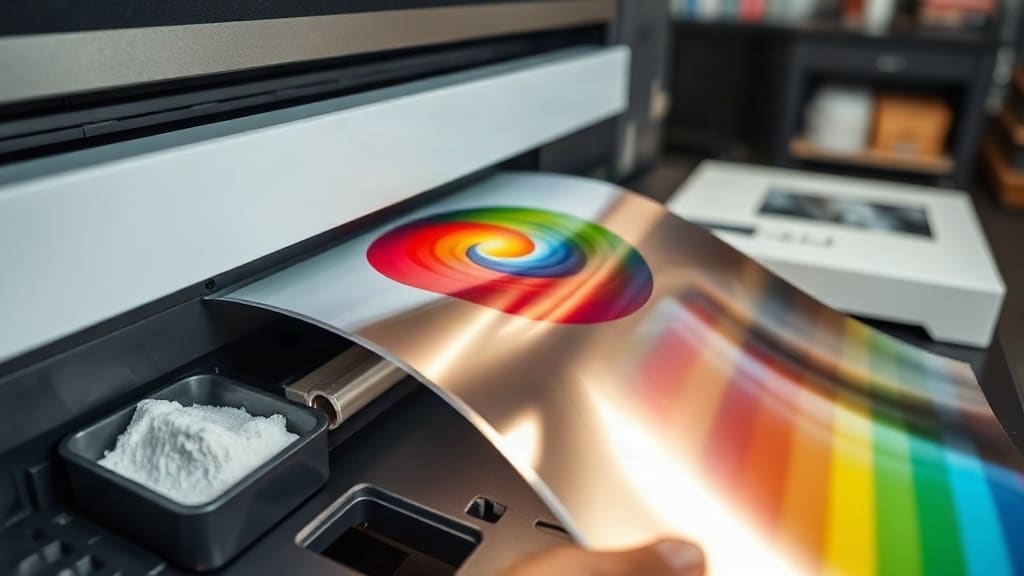
DTF printing has revolutionized the custom apparel industry, offering a flexible and cost-effective alternative to traditional methods. Whether you're a hobbyist or a growing business, understanding this technology can open new doors. In this guide, we'll break down everything you need to know, from basic principles to advanced tips that ensure your transfers look professional and last long.
What is DTF Printing?
DTF stands for Direct-to-Film. It's a printing method where designs are printed onto a special PET film, coated with adhesive powder, and then heat-pressed onto fabric. Unlike screen printing, it doesn't require screens or extensive setup, making it ideal for small orders and complex designs with many colors.
How Does the DTF Process Work?
The process involves several key steps:
- Printing: A specialized inkjet printer prints the design in reverse onto a PET film using water-based or pigment inks.
- Powdering: While the ink is still wet, a hot-melt adhesive powder is applied over the film. The powder sticks only to the inked areas.
- Melting: The film is passed through a dryer or heat source to melt the powder, creating a tacky adhesive layer.
- Transfer: The film is placed on the garment (or other material) and heat-pressed with high temperature and pressure.
- Peeling: After cooling, the film is peeled away, leaving a vibrant, durable print.
Key Materials and Equipment
To get started with DTF, you need specific materials:
- DTF Printer: Usually an Epson or similar inkjet printer converted for DTF inks. Some models are dedicated to DTF.
- PET Film: High-quality film with a special coating to hold the ink and powder.
- DTF Inks: Pigment-based inks with good opacity and flexibility.
- Adhesive Powder: Fine thermoplastic powder that melts during heat press.
- Heat Press: A reliable press that can reach 160-180°C with even pressure.
- Curing Oven or Dryer: To melt the powder completely before transfer.
Choosing the Right Film
The quality of PET film matters. Look for films with a matte surface for better ink absorption and a clear backing for easy placement. Some films are designed for specific printers or ink types, so always check compatibility.
DTF vs. Other Printing Methods
To appreciate DTF, it's helpful to compare it with other popular techniques:
DTF vs. Screen Printing
Screen printing is cost-effective for large quantities but requires screens and setup time. DTF shines for small to medium runs and multi-color designs without extra setup. It also allows printing on-demand, reducing inventory.
DTF vs. DTG (Direct-to-Garment)
DTG prints directly onto the shirt, which is great for soft hand feel but limited to 100% cotton light garments. DTF transfers work on various fabrics, including polyester, nylon, and blends, and provide higher opacity on dark colors.
DTF vs. Vinyl Heat Transfer
Vinyl is perfect for simple, one-color designs but becomes tedious for full-color gradients. DTF handles complex graphics with ease and offers a softer feel than thick vinyl layers.
Advantages and Limitations of DTF
Every method has its own set of strengths and weaknesses. Here's a balanced view:
Advantages
- Vibrant colors with excellent opacity on dark fabrics.
- Faster setup and turnaround for small batches.
- Works on a wide variety of materials: cotton, polyester, blends, even leather and nylon.
- Stretchable and durable prints that withstand repeated washing.
- White ink underbase included automatically, so no extra layer needed.
Limitations
- Initial investment in printer and accessories can be significant.
- The film and powder add cost per transfer.
- Need a proper curing process to ensure washability.
- Hand feel is slightly thicker than DTG but softer than vinyl.
- Not as eco-friendly as some methods due to film waste.
Tips for Perfect DTF Transfers
To get the best results from your DTF setup, follow these expert tips:
Optimize Your Print Settings
Use high-quality print settings with proper color profiles. Often, you need to adjust ink density to avoid bleeding. Test prints on scrap film to fine-tune.
Handle the Powder Correctly
Apply powder generously and shake off excess. The powder should cover all inked areas without gaps. Use a dedicated powder shaker for consistent coverage.
Master the Heat Press
Temperature, pressure, and time are critical. Typically, 160-170°C for 15-20 seconds with medium to firm pressure works. Use a Teflon sheet over the film to protect the platen. Peel hot or cold depending on the film and adhesive type; many prefer cold peel for a matte finish.
Test Washability
Before mass production, wash a sample transfer to ensure it withstands laundering. If cracking occurs, increase curing time or pressure.
Store Materials Properly
Keep film and powder in a dry, cool environment. Humidity can affect ink adhesion and powder flow.
Common Mistakes and How to Avoid Them
Even experienced printers face issues. Here are typical pitfalls and solutions:
Poor Adhesion
If transfers peel off after washing, your powder may not have melted fully. Ensure the film is heated enough to melt powder completely. Also, increase pressure and time.
Ink Bleeding
Bleeding happens when ink spreads on the film. Use the correct ink type and adjust print settings to reduce ink saturation.
Film Curling
Curling can occur during printing or drying. Use a film with anti-curl properties and handle it gently.
White Ink Issues
White ink often settles. Shake ink cartridges regularly and use a circulation system if available. Also, ensure the printer head is clean.
Costs and ROI for Small Business
Starting a DTF business can be lucrative. Here's a rough breakdown:
- Printer setup: $1,500 to $5,000 for entry-level systems.
- Consumables: Film, ink, and powder cost about $0.50 to $1.50 per transfer depending on size.
- Selling price: Custom printed shirts often sell for $20-$30, leaving a healthy margin.
With a modest volume, you can recoup the initial investment within months. Plus, you can offer both wholesale and retail services.
Frequently Asked Questions
Is DTF printing suitable for all fabric types?
Yes, DTF transfers adhere well to cotton, polyester, blends, and even performance fabrics. However, always test on a sample first, especially for materials with special coatings or finishes.
How many washes can a DTF print withstand?
With proper curing and application, a DTF transfer can last over 50 washes. Using high-quality materials and following care instructions (wash inside out, cold water, no bleach) extends its life.
Can I use DTF for printing on items other than clothing?
Absolutely. DTF works on tote bags, aprons, caps (with care), and even hard surfaces like wood or metal if you use a low-temp adhesive. Always experiment to find the right parameters.
What is the minimum order quantity for DTF?
One of the biggest advantages is that you can print a single item profitably. Unlike screen printing, there is no minimum, making it perfect for personalized products.
Do I need a special printer for DTF?
Yes, you need a printer that can handle pigment inks and white ink. Many people convert Epson EcoTank models, but there are also dedicated DTF printers available from manufacturers like Epson, Mutoh, and others.
Conclusion
DTF printing is a game-changer for custom apparel. Its versatility, ease of use, and cost-effectiveness make it accessible to anyone from home-based crafters to established businesses. By understanding the process, investing in quality materials, and honing your technique, you can produce stunning, durable prints that satisfy customers. Start small, experiment, and scale up as you gain confidence. The future of custom printing is here, and DTF is leading the way.