
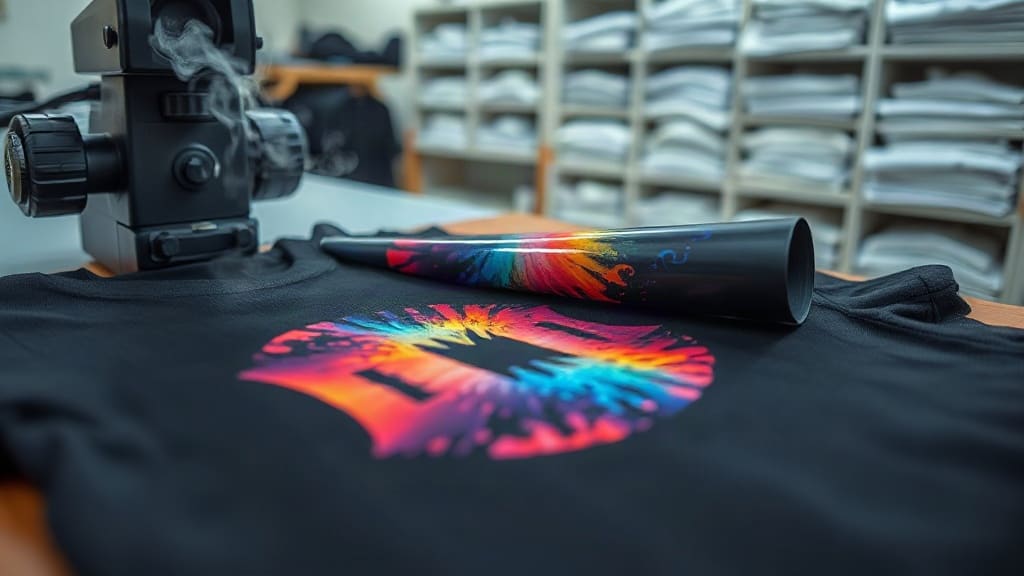
If you're in the custom apparel business, you've likely heard about DTF transfers and wondered if they live up to the hype. Having worked with various printing methods over the years, I can tell you that DTF (Direct to Film) has revolutionized the way many of us produce garments. It's not just a trend; it's a versatile technique that offers stunning color vibrancy and durability. In this guide, I'll share my hands-on experience and the essential knowledge you need to get the most out of DTF, from understanding the process to ensuring your transfers last wash after wash.
What Are DTF Transfers?
DTF transfers are a printing method where a design is printed onto a special film, coated with adhesive powder, and then heat-pressed onto fabric. Unlike traditional screen printing, which requires separate screens for each color, DTF allows for full-color prints with no setup fees. This makes it ideal for small batches, complex designs, and on-demand production.
The process involves printing your artwork onto a PET film using a printer equipped with white ink. After printing, an adhesive powder is applied to the wet ink, and the film is cured to activate the adhesive. Finally, the transfer is placed on the garment and pressed with heat and pressure, resulting in a soft, stretchable print that adheres well to various fabrics.
Why Choose DTF Over Other Methods?
When I first compared DTF to other options like vinyl or DTG, I found several unique advantages:
- Vibrant Colors: DTF prints pop with high opacity, even on dark fabrics, because of the white ink underbase.
- Versatility: You can apply DTF transfers to cotton, polyester, blends, and even non-fabric materials like canvas or denim.
- Cost-Effective for Small Runs: No screen setup means you can order one shirt or a hundred without breaking the bank.
- Soft Hand Feel: The prints are thin and flexible, maintaining the garment's natural drape.
- Durability: With proper care, DTF prints can withstand numerous washes without cracking or fading.
How to Apply DTF Transfers Like a Pro
Applying DTF transfers correctly is crucial for achieving a professional finish. Based on my experience, here's a step-by-step guide:
- Pre-Press the Garment: Press the shirt for 2-3 seconds to remove moisture and wrinkles. This ensures better adhesion.
- Position the Transfer: Place the transfer with the film side up on the garment. Ensure it's centered and aligned as desired.
- Use a Heat Press: Set your heat press to 320°F (160°C) with medium to firm pressure. Press for 15-20 seconds.
- Hot Peel or Cold Peel? Some films require hot peeling, others cold. Follow the manufacturer's instructions. Typically, hot peel is faster, but cold peel might provide a cleaner release.
- Re-Press with a Cover Sheet: After peeling, place a Teflon sheet or parchment paper over the design and press again for 5-10 seconds to ensure the adhesive is fully cured.
One common mistake is pressing too long or at too high a temperature, which can cause the adhesive to bleed or the film to stick. Always test on a scrap fabric first to fine-tune your settings.
Caring for DTF Printed Garments
Proper care extends the life of your DTF transfers. Here are my top tips:
- Wash Inside Out: Turn the garment inside out before washing to minimize friction on the print.
- Use Cold Water: Cold water prevents the adhesive from weakening and colors from fading.
- Avoid Fabric Softeners: Softeners can leave residue that affects the print's adhesion and appearance.
- Tumble Dry Low or Air Dry: High heat in the dryer can cause the transfer to crack or peel. Air drying is safest.
- Do Not Iron Directly: If you need to iron, do it inside out or with a cloth barrier to avoid melting the design.
I've had customers who followed these steps and their prints looked great even after dozens of washes. It's all about the care routine.
Common Mistakes to Avoid with DTF Transfers
Even seasoned pros can slip up. Here are some pitfalls I've seen (and sometimes made) that you should avoid:
- Using the Wrong Film: Not all films are equal. Some are designed for specific inks or printers. Using the wrong one can lead to poor adhesion or color issues.
- Skipping Pre-Press: This step might seem unnecessary, but it removes moisture that can create bubbles and affect the final result.
- Peeling Too Early or Too Late: If the manufacturer says hot peel, don't wait until it cools, and vice versa. Timing is critical.
- Not Using Enough Pressure: Insufficient pressure can result in incomplete adhesion, especially on textured fabrics.
- Stretching the Fabric: When placing the garment on the press, avoid pulling it tight, as this can cause distortion after pressing.
By being mindful of these, you'll save time, money, and frustration.
Innovations and Trends in DTF Transfers
The DTF industry is constantly evolving. Recently, I've noticed a trend toward eco-friendly films and inks that reduce waste. Additionally, there are now films that allow for easier peeling and even better stretchability. Keeping an eye on these innovations can give you a competitive edge.
Another exciting development is the ability to print white ink with finer details, which expands the design possibilities. Some printers now offer high-opacity white that allows for brilliant colors on dark fabrics, including neon shades that used to be challenging.
Frequently Asked Questions
How long do DTF transfers last?
With proper application and care, DTF transfers can last for years, surviving over 50 washes without significant fading or cracking. The key is following the recommended washing and drying instructions, as well as using quality materials from the start.
Can DTF transfers be applied to any fabric?
DTF transfers are extremely versatile and can be applied to most fabrics, including cotton, polyester, nylon, and blends. However, they work best on materials that can withstand the heat and pressure of a heat press. For delicate fabrics like silk, it's advisable to test a small area first.
Are DTF transfers suitable for small orders?
Absolutely! One of the biggest advantages of DTF is that there are no setup costs, so you can order as little as one transfer or as many as you need. This makes it perfect for small business owners, custom gift makers, and anyone who wants to test designs without committing to bulk quantities.
What is the difference between DTF and DTG?
DTG (Direct to Garment) printing applies ink directly onto the fabric using a specialized printer, limiting it to 100% cotton or high-cotton blends. DTF, on the other hand, prints onto a film that is then transferred to the garment, allowing it to be used on a wider range of fabrics and offering higher color opacity, especially on dark colors.
How should I store unused DTF transfers?
Store your DTF transfers in a cool, dry place away from direct sunlight. Keep them in a sealed plastic bag or container to prevent moisture absorption and dust accumulation. If stored properly, they can last for several months without losing their quality.
In conclusion, DTF transfers offer an incredible balance of quality, versatility, and cost-effectiveness for custom apparel. By understanding the process, mastering the application, and following care guidelines, you can produce stunning garments that your customers will love. Whether you're a hobbyist or a professional, DTF is a technique worth embracing.