
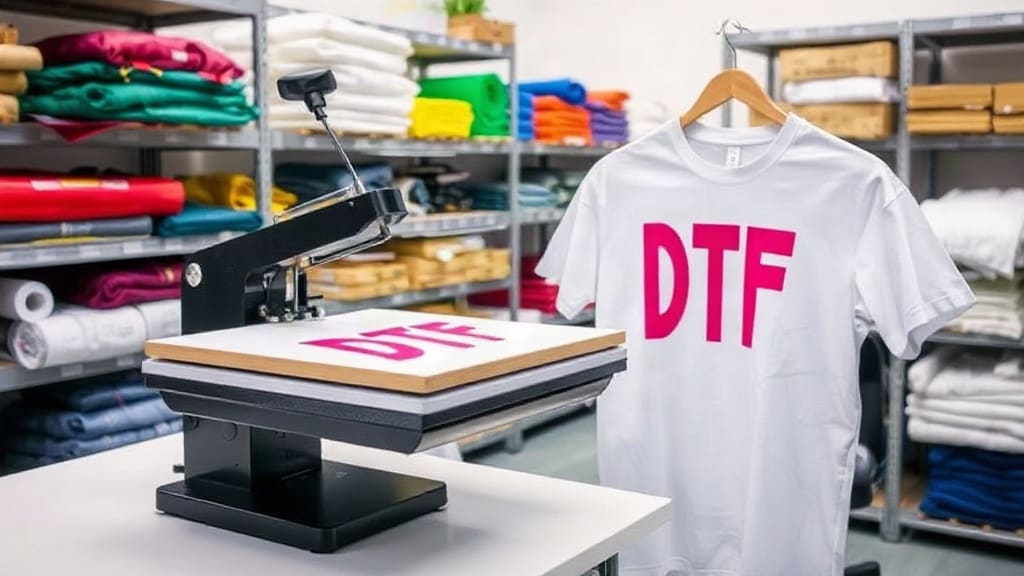
Are you searching for DTF transfers and want to work with a local provider? You're not alone. Many custom apparel businesses, print shops, and hobbyists are turning to DTF technology because it offers vibrant colors, excellent durability, and the flexibility to print on a wide range of fabrics. Finding the right local supplier can make a huge difference in your production speed, product quality, and overall profitability. In this comprehensive guide, I'll walk you through everything you need to know about sourcing DTF transfers in your area, including what to look for, common pitfalls to avoid, and how to get the best value for your investment.
Understanding DTF Transfers
Before we dive into finding a local supplier, let's quickly recap what DTF transfers are. DTF stands for Direct to Film. It's a printing method where your design is printed onto a special PET film using a DTF printer, then coated with adhesive powder. Once the powder is cured, the film can be heat-pressed onto a garment, transferring the design. This technology is popular because it works on cotton, polyester, blends, and even some tricky materials like nylon or leather.
The key advantage of DTF over traditional screen printing or vinyl is the level of detail and color vibrancy. You can achieve photographic quality prints with no color limitations, and the transfer has a soft hand feel. Plus, DTF transfers are washable and durable, making them ideal for everyday wear.
Why Search Locally for DTF Transfers?
When you type "DTF transfers near me" into a search engine, you're likely looking for a supplier that can offer faster turnaround times, lower shipping costs, and the ability to inspect products in person. Working locally also means you can build a relationship with your supplier, which often leads to better pricing and priority service. If you're running a print-on-demand business, having a local partner can be a lifesaver when you need rush orders or last-minute samples.
But finding the right local supplier isn't always straightforward. You might be overwhelmed by options, or you might not know what questions to ask. Let's break it down step by step.
How to Find DTF Transfer Suppliers in Your Area
Start with Online Searches and Directories
The most obvious starting point is a quick online search for "DTF transfers near me." But don't just look at the top results. Use variations like "DTF printing services near me," "custom DTF transfers local," or "DTF film printing in [your city]." You can also check local business directories, Facebook groups for print shop owners, and even Instagram hashtags like #DTFtransfers or #DTFprinting. Many small suppliers are active on social media, so you can see their work and get a feel for their quality.
Ask for Recommendations from Other Printers
If you know other people in the custom apparel industry, ask them who they use for their transfers. Fellow business owners are often happy to share their experiences, both good and bad. You can also join online forums or communities like r/printing or r/SCREENPRINTING on Reddit, where members sometimes share local supplier recommendations.
Check with Local Print Shops
Many traditional print shops are now offering DTF services, even if they don't advertise it heavily. Call a few and ask if they do DTF transfers. They might not list it on their website, but they may offer it as a service. This is a great way to find a supplier that's already established in the community.
Evaluating the Quality of DTF Transfers
Not all DTF transfers are created equal. Once you have a list of potential local suppliers, you need to assess their quality. Here are the key factors to consider:
Print Quality and Resolution
Look for crisp lines, vibrant colors, and good detail. Ask for samples or check their portfolio. If they can't show you examples, that's a red flag. The quality of the print depends on the printer resolution (usually 1200 dpi or higher), the quality of the inks and films, and the expertise of the operator.
Adhesive Powder and Coating
The adhesive powder must be evenly applied and properly cured. If it's not, your transfer might not stick well or might peel after washing. Ask about the powder they use and how they ensure consistent application.
Cutting and Weeding
Good suppliers will die-cut your transfers close to the design, minimizing the need for manual weeding. If you receive transfers with excessive film around the design, it can cause a stiff feel and make the transfer harder to apply. Inquire about their cutting process.
Testing and Samples
The best way to judge quality is to order a sample. Most reputable suppliers will offer sample packs or small test orders. Apply a few transfers to different types of fabric and run them through a few wash cycles. Check for cracking, fading, or peeling. This is the ultimate test of durability.
Cost Considerations: What to Expect When Buying Local
Price is a major factor, but it shouldn't be the only one. Local suppliers may have slightly higher prices than offshore companies, but you're paying for convenience, speed, and communication. When comparing quotes, look at the total cost per transfer, including any setup fees, shipping, and taxes.
Typically, DTF transfer prices range from $1 to $5 per transfer, depending on size, color count, and quantity. Larger orders often come with quantity discounts. Be wary of prices that seem too low, as they might indicate lower quality materials or poor production standards.
Turnaround Time and Communication
One of the biggest benefits of working with a local supplier is faster turnaround. Ask about their standard production time and whether they offer rush services. In the custom apparel world, deadlines are often tight, and having a supplier who can deliver in 2-3 days is priceless.
Communication is also crucial. You want a supplier who responds quickly to emails or calls, provides clear information about order status, and is willing to work with you on any issues. A local supplier who values your business will treat you like a partner, not just a transaction.
DTF Transfers Near Me: Red Flags to Avoid
While there are many excellent local suppliers, unfortunately, not all are reliable. Here are some warning signs to watch out for:
- No samples or portfolio: If they can't show you past work, they might not be proud of it, or they might be new and inexperienced.
- Unclear pricing: If they're vague about costs or add unexpected fees, it's a bad sign.
- Poor communication: If they take days to respond to inquiries, this will likely continue during production.
- Negative reviews: Check online reviews on Google, Yelp, or Facebook. Multiple complaints about quality or service are a red flag.
- No refund or replacement policy: A good supplier should stand behind their product and be willing to fix mistakes.
Working with a Local Supplier: Tips for Success
Once you've found a reliable local DTF provider, here are some tips to maximize the partnership:
Provide High-Resolution Artwork
The quality of your transfer depends heavily on the quality of your artwork. Always provide vector files (like AI or EPS) or high-resolution PNGs (at least 300 DPI) with a transparent background. This ensures sharp prints and avoids issues with pixelation.
Order Test Prints First
Before placing a large order, do a test run. Print a few designs in different sizes and on different fabric types. This will help you assess the quality and make any necessary adjustments before committing to a big batch.
Maintain a Consistent Workflow
If you plan to order regularly, discuss a schedule with your supplier. This helps them plan their production, and you might get better pricing or priority treatment. Building a long-term relationship benefits both sides.
Understand the Application Process
Even the best DTF transfer will fail if it's not applied correctly. Make sure you (or your staff) are trained on the proper heat press settings: temperature, pressure, and time. Most suppliers will provide instructions, but if not, ask. It's also a good idea to test different fabrics to find the optimal settings.
Why Some Businesses Choose Online Suppliers Over Local
While local sourcing has its benefits, it's not always the best choice for everyone. Some businesses prefer to order from online-only suppliers because they offer lower prices, a wider range of products, or faster shipping to their area. For example, if you live in a rural area, there might not be a local DTF supplier within reasonable driving distance. In that case, an online service like DTF Pro Express can be the perfect solution.
Online suppliers often have streamlined processes and economies of scale that allow them to offer competitive prices. They also tend to have robust ordering systems, which makes it easy to upload files and track orders. The key is to find an online supplier that offers the same level of quality and customer service as a good local shop.
If you're searching for "DTF transfers near me" and coming up empty, or if you're not satisfied with the local options, consider checking out reputable online providers. Many of them offer quick turnaround, free shipping on larger orders, and excellent customer support. Just be sure to read reviews and request samples before going all-in.
DTF Transfers Near Me: Frequently Asked Questions
How long does it take to get DTF transfers from a local supplier?
Most local suppliers offer a production time of 2 to 4 business days, depending on the complexity of the design and their current workload. Some may offer rush services for an additional fee. Always ask for estimated turnaround before placing an order, and factor in time for shipping if they don't have a physical storefront.
Can I get a sample before ordering in bulk?
Yes, absolutely. In fact, it's highly recommended. Most reputable DTF transfer suppliers will provide samples for a small fee or even free for potential large orders. Samples allow you to test the print quality, durability, and exact colors. Never skip this step, especially if you're new to DTF.
What is the minimum order quantity for DTF transfers?
This varies by supplier. Some local shops have no minimum, allowing you to order even a single transfer for testing. Others may require a minimum of 10, 25, or 50 pieces. Online suppliers often have lower minimums, sometimes as low as 1 piece. If you're just starting out, look for a supplier with flexible order sizes.
How much should I expect to pay for local DTF transfers?
Prices can range from $1.50 to $3.50 per transfer for standard sizes (like 8x10 inches) when ordering in moderate quantities (around 50 pieces). For larger prints or lower quantities, the cost per transfer can be higher. Always ask for a quote based on your specific design and quantity.
Are DTF transfers durable?
Yes, when applied correctly and cared for properly, DTF transfers are very durable. They can withstand multiple washes without cracking or fading, especially if you use high-quality materials. However, the durability also depends on the fabric type and the heat press settings. Follow the recommended washing instructions, such as washing in cold water and avoiding bleach, to extend the life of the print.
Final Thoughts on Finding DTF Transfers Near You
Finding the right DTF transfer supplier, whether local or online, is about more than just proximity. It's about quality, reliability, and fit for your specific needs. Start by searching "DTF transfers near me" and evaluate your options carefully. If you're in an area with limited choices, don't be afraid to look at online providers. At the end of the day, the goal is to get high-quality transfers at a fair price, with the support you need to grow your brand.
If you're ready to take your apparel game to the next level, consider giving DTF a try. With the right supplier and a bit of practice, you'll be creating stunning custom pieces that your customers will love. Happy printing!