
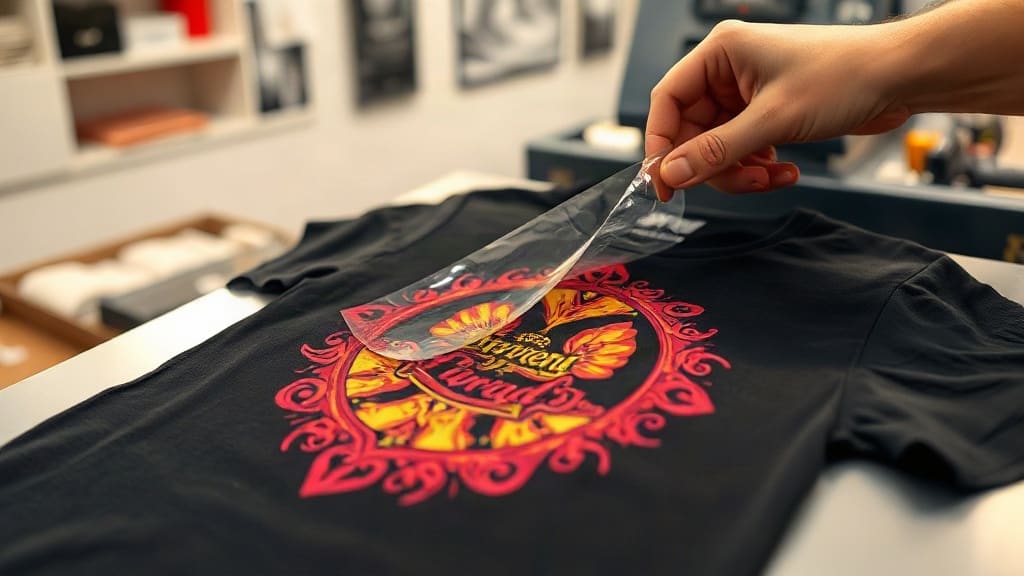
If you're in the custom apparel business, you've likely heard about DTF transfers and wondered what the hype is all about. Unlike traditional screen printing or vinyl, DTF (Direct to Film) printing offers a unique blend of versatility, durability, and cost-effectiveness. It's a game-changer for both small startups and established print shops. In this guide, I'll walk you through everything you need to know about DTF transfers, from the basic process to advanced tips that will help you achieve professional results every time.
What Are DTF Transfers?
DTF transfers are a printing method where a design is printed onto a special film using a DTF printer, then transferred to a substrate (like a t-shirt) using a heat press. The process involves printing a mirror image of your design onto a PET film, applying a special adhesive powder, and then curing the powder. When you heat press the film onto your garment, the design peels away, leaving a vibrant, durable print.
Why Choose DTF Transfers?
There are several reasons why DTF has become so popular among apparel printers:
- Versatility: You can print on a wide range of fabrics, including cotton, polyester, nylon, and blends. This makes it perfect for items like t-shirts, hoodies, tote bags, and even caps.
- Durability: The prints are stretchable and wash-resistant, maintaining their quality even after multiple washes.
- Cost-Effective for Small Runs: Unlike screen printing, there are no setup costs, making DTF ideal for small orders and print-on-demand.
- High-Quality Output: The detail and color reproduction are exceptional, especially for complex designs with gradients and fine lines.
The DTF Transfer Process Explained
Understanding the steps involved in creating DTF transfers is crucial for getting the best results. Let's break it down:
1. Printing the Design on Film
The first step is to print your design onto a special PET film. You'll need a DTF printer equipped with pigment inks and white ink. The white ink is essential because it creates an opaque base layer, ensuring your colors pop on any fabric color. The printer prints the design in reverse, so it will appear correctly when transferred.
2. Applying Adhesive Powder
Once the ink is printed, the film is covered with a hot-melt adhesive powder. This powder is what makes the transfer stick to the fabric. The excess powder is shaken off, and the film is then heated to melt the powder, which creates a sticky layer. This step is critical; if done incorrectly, the transfer may not adhere properly.
3. Curing the Transfer
After applying the adhesive, the film is cured in an oven or with a heat press at a specific temperature. This ensures the powder is fully melted and bonded to the ink. The curing process also makes the transfer easier to handle and store.
4. Heat Pressing onto the Garment
When you're ready to apply the transfer, you place it on the garment with the film side up, and apply heat and pressure using a heat press. The recommended temperature is usually around 320°F to 340°F, with medium to firm pressure. After a few seconds, you peel off the film, and your design is now part of the fabric.
Essential Equipment for DTF Transfers
To get started with DTF, you'll need some key equipment:
- DTF Printer: This is a specialized inkjet printer that can handle white ink. You can use a modified Epson or a dedicated DTF printer.
- Heat Press: A clamshell or swing-away heat press works well for applying transfers.
- Shaker and Curing Oven: For applying and curing the adhesive powder, you can use a manual shaker or an automatic powder shaker with a dryer.
- PET Film and Adhesive Powder: These are consumables that you'll need to purchase regularly.
Tips for Perfect DTF Transfers Every Time
Here are some practical tips I've learned from experience that can make a huge difference:
Use High-Quality Files
The quality of your source image matters. Always use high-resolution designs, preferably in PNG format with transparent backgrounds. This ensures sharp edges and accurate colors.
Calibrate Your Printer Settings
Take the time to adjust your printer settings for optimal ink density and white ink layering. Run test prints to ensure the colors are vibrant and the white base is opaque.
Master the Powder Application
The amount of powder and the curing temperature are crucial. Too little powder can cause the transfer to crack, while too much can make it stiff. Aim for an even coating and a cure temperature that matches your powder's specifications.
Press with the Right Pressure and Time
Consistent pressure and timing are key. Too little pressure can result in a weak bond, while too much can cause the design to distort. Follow the manufacturer's recommendations for your specific transfer film and heat press.
Comparing DTF Transfers to Other Methods
How does DTF stack up against other popular methods like screen printing and vinyl? Let's take a closer look:
DTF vs. Screen Printing
Screen printing is fantastic for large orders with simple designs, but it has high setup costs. DTF is more flexible for small orders and allows for more detailed, full-color prints without complex setup.
DTF vs. Heat Transfer Vinyl (HTV)
HTV is great for simple, single-color designs, but it's not suitable for detailed, multi-color artwork. DTF can handle complex designs with ease, and the final print feels softer on the fabric.
DTF vs. Direct-to-Garment (DTG)
DTG printing is excellent for high-quality prints, but it requires an expensive printer and is limited to cotton fabrics. DTF transfers can be pre-printed in bulk and applied as needed, making them more efficient for production runs.
Common Mistakes to Avoid
Even seasoned printers can make mistakes. Here are some pitfalls to watch out for:
- Skipping the test print: Always do a test run to ensure colors and alignment are correct.
- Using the wrong film: Ensure you're using PET film that's compatible with your printer and powder.
- Improper storage: Keep your transfers in a cool, dry place to prevent the adhesive from degrading.
- Ignoring heat press calibration: Periodically check your heat press temperature and pressure with a heat-sensitive tape.
How to Start a DTF Transfer Business
If you're thinking about adding DTF to your business or starting fresh, here's a roadmap:
Research and Planning
Understand your target market and the types of products they'll want. Decide whether you'll focus on custom orders, wholesale transfers to other printers, or both.
Invest in Quality Equipment
It's tempting to go cheap, but investing in a reliable DTF printer and heat press will save you headaches in the long run. Look for brands that offer good support and warranties.
Develop Your Designs
Hone your graphic design skills or partner with a designer. Unique, high-demand designs will set you apart.
Market Your Services
Create a website, use social media to showcase your work, and network with local businesses. Offer samples to potential clients to demonstrate the quality of your DTF transfers.
Frequently Asked Questions
Can DTF transfers be used on dark fabrics?
Absolutely! DTF transfers are actually ideal for dark fabrics because the white ink base ensures the design stands out. Just make sure to use a high-opacity white ink and proper curing to avoid cracking.
How long do DTF transfers last?
With proper application and care, DTF transfers can last as long as the garment itself. They are designed to withstand multiple washes and maintain their vibrancy. To extend their life, wash garments inside out in cold water and avoid using chlorine bleach.
What is the best fabric for DTF transfers?
DTF transfers work best on fabrics that can withstand high heat, like cotton, polyester, and blends. For materials that can't tolerate high heat, such as some synthetics or coated fabrics, you may need to adjust the press temperature and time.
Can I use DTF transfers with a home heat press?
Yes, DTF transfers can be applied with a basic heat press, but you need to ensure it can maintain consistent temperature and pressure. A clamshell press is a popular choice for beginners. Always follow the temperature and time guidelines for your specific transfer.
Why is my DTF transfer not sticking?
There are a few common reasons: insufficient pressure, incorrect temperature, or not enough adhesive powder. Also, make sure the powder is fully cured before storing or pressing. Check your heat press calibration and try increasing the pressure or temperature slightly.
In conclusion, DTF transfers are a versatile and efficient printing method that can elevate your custom apparel game. Whether you're a hobbyist or a business owner, understanding the process and applying the tips shared here will help you produce stunning, durable prints that your customers will love. So, why not give DTF a try? With a little practice, you'll be creating professional-quality transfers that stand out in the market.