
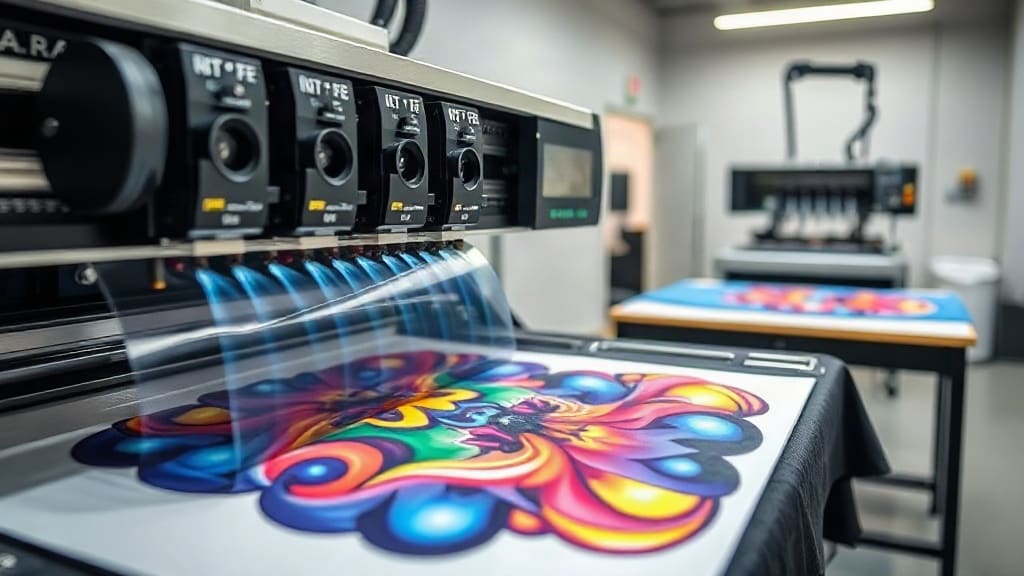
DTF transfers have revolutionized the custom printing industry, offering a versatile and cost-effective way to create vibrant designs on a wide range of fabrics. Whether you're a small business owner, a hobbyist, or just curious about this technology, this guide will walk you through everything you need to know about DTF transfers, from the basics to advanced tips that can elevate your printing game.
What Are DTF Transfers?
DTF (Direct to Film) transfers are a printing method where designs are printed onto a special PET film using DTF inks, then transferred to fabric using heat and pressure. The process involves several steps, including printing, applying adhesive powder, curing, and finally pressing. The result is a stretchable, durable print that works on cotton, polyester, blends, and even some rigid surfaces like wood or glass.
How Does DTF Printing Work?
The DTF process starts with a design that is printed in reverse onto the transfer film. After printing, the film is coated with a hot-melt adhesive powder, which is then cured to activate the adhesive. Once cured, the transfer is cut to size, placed onto the substrate, and pressed with a heat press. The heat melts the adhesive, bonding the ink to the fabric. Unlike screen printing, DTF doesn't require screens or weeding, making it ideal for small batches and detailed designs.
DTF vs. Other Printing Methods
When compared to traditional methods like screen printing or heat transfer vinyl, DTF offers several advantages. It's more efficient for short runs, allows for gradient colors and high detail, and works on a variety of fabrics. Unlike screen printing, DTF has no setup costs, and unlike vinyl, it doesn't require weeding and can handle complex designs. This makes DTF a popular choice for print-on-demand businesses.
Why Choose DTF Transfers?
DTF transfers have gained popularity for good reasons. They offer a quick turnaround, vibrant colors, and a soft hand feel. The prints are also stretchable and durable, making them ideal for activewear and everyday garments. For businesses, DTF is a game-changer because it allows for cost-effective small orders, so you can offer custom products without holding large inventory.
Cost-Effectiveness for Small Businesses
One of the biggest advantages of DTF is the low barrier to entry. You don't need massive equipment or a dedicated screen room. A DTF printer, film, powder, and a heat press are all you need to start. This makes it perfect for entrepreneurs who want to offer custom apparel without a huge upfront investment.
Versatility Across Materials
Unlike some methods that only work on cotton or polyester, DTF transfers adhere well to a wide range of fabrics. From soft cotton tees to performance sportswear, DTF handles them all. Even materials like denim, canvas, and blends produce excellent results, making DTF a flexible solution for various products.
How to Use DTF Transfers: A Step-by-Step Guide
Whether you buy ready-made DTF transfers or produce them yourself, the application process is straightforward. Here's a detailed guide to ensure perfect results every time.
Step 1: Prepare Your Transfer
If you're using custom-made transfers, ensure your design is printed on high-quality film with vibrant ink. Check that the powder coating is even and fully cured. If you're printing in-house, use a DTF printer and follow the recommended settings for your film and ink.
Step 2: Pre-Press Garment
Pre-press your garment for a few seconds to remove moisture and wrinkles. This step ensures a smooth surface for optimal adhesion. Set your heat press to the recommended temperature, usually around 160°C to 170°C (320°F to 338°F), but always follow the manufacturer's guidelines for your specific transfer.
Step 3: Position and Press
Place the transfer face down onto the garment where you want the design. Use heat-resistant tape to hold it in place if needed. Press down with medium pressure for about 15 to 20 seconds. The exact time and pressure depend on the transfer and fabric type.
Step 4: Hot or Cold Peel?
After pressing, decide whether to peel the film hot or cold. Some transfers require hot peeling, where you remove the film immediately after pressing, while others need to cool down first. Check the instructions that come with your transfer. Generally, hot peeling is faster and gives a matte finish, while cold peeling offers a glossy look.
Step 5: Final Press
To enhance durability, place a Teflon sheet over the design and press again for a few seconds. This helps set the adhesive and ensures the print withstands wash and wear.
Top Tips for Getting the Best Results
To achieve professional-grade results, avoid common pitfalls and follow these tried-and-true tips.
Choose the Right Fabric
While DTF works on many fabrics, the best results come on materials with a smooth surface. Cotton and cotton blends are ideal. For highly textured fabrics like fleece, use a lower pressure and longer press time to ensure full adhesion.
Mind Temperature and Pressure
Too low a temperature can cause poor adhesion, while too high can melt the adhesive too fast, leading to bleed. Use a quality heat press with accurate pressure distribution. If you're using a home iron, it may not provide even heat, so consider investing in a clamshell press.
Test Before Full Production
Always do a test print on a spare piece of fabric before committing a full batch. This helps you adjust settings and avoid costly mistakes, especially if you're new to DTF.
Proper Storage of Transfers
Store unused transfers in a cool, dry place away from direct sunlight. Excessive heat or humidity can affect the adhesive's performance. Keep them flat to prevent curling.
Common Mistakes and How to Avoid Them
Even experienced printers can run into issues. Here are some typical problems and solutions.
Peeling Problems
If your design doesn't peel cleanly, it might be due to insufficient pressure or heat. Ensure your press is calibrated and the dwell time is adequate.
Washing Cracks
If the print cracks after washing, it could be because the adhesive wasn't fully cured or the fabric wasn't pre-pressed. Try increasing the curing time during the powder's initial heating.
Ink Bleed
Ink bleed often occurs when the temperature is too high during pressing. Lower the temperature and increase the pressure to minimize bleeding.
The Future of DTF Transfers
DTF technology is constantly evolving. We're seeing improvements in ink formulations, films, and equipment, making the process more efficient and eco-friendly. Water-based inks are becoming popular, reducing the environmental impact. As demand for customization grows, DTF is poised to be a staple in the printing industry.
Frequently Asked Questions
Can I use DTF transfers on dark-colored garments?
Yes, DTF transfers work well on dark garments because the ink is applied in a layer that includes a white base. This ensures the colors remain vibrant and opaque, even on black or navy fabrics.
How many washes can a DTF transfer withstand?
With proper application, DTF transfers can last for many washes. The durability depends on the quality of the transfer and the pressing process. Generally, they can withstand 40 to 60 washes without significant fading or cracking.
Do I need special equipment to apply DTF transfers?
You need a heat press for best results. While it's possible to use a home iron, it's not recommended because it doesn't provide even pressure and heat, which can result in poor adhesion. A heat press ensures consistent quality.
Are DTF transfers eco-friendly?
Traditional DTF uses solvent-based inks, but many manufacturers are transitioning to water-based inks that are more environmentally friendly. Also, DTF produces minimal waste compared to screen printing, as you only use the exact amount of material needed for each design.
What is the difference between DTF and DTG?
DTG (Direct to Garment) prints directly onto the fabric, while DTF prints onto a transfer film which is then applied. DTF is more versatile because it can be used on various materials, and the transfers can be stored for later use, making it ideal for on-demand printing.
In conclusion, DTF transfers offer a flexible, efficient, and high-quality solution for custom printing. Whether you're starting a business or looking to expand your services, understanding DTF technology will give you a competitive edge. With the right materials and techniques, you can produce stunning, durable designs that your customers will love.