
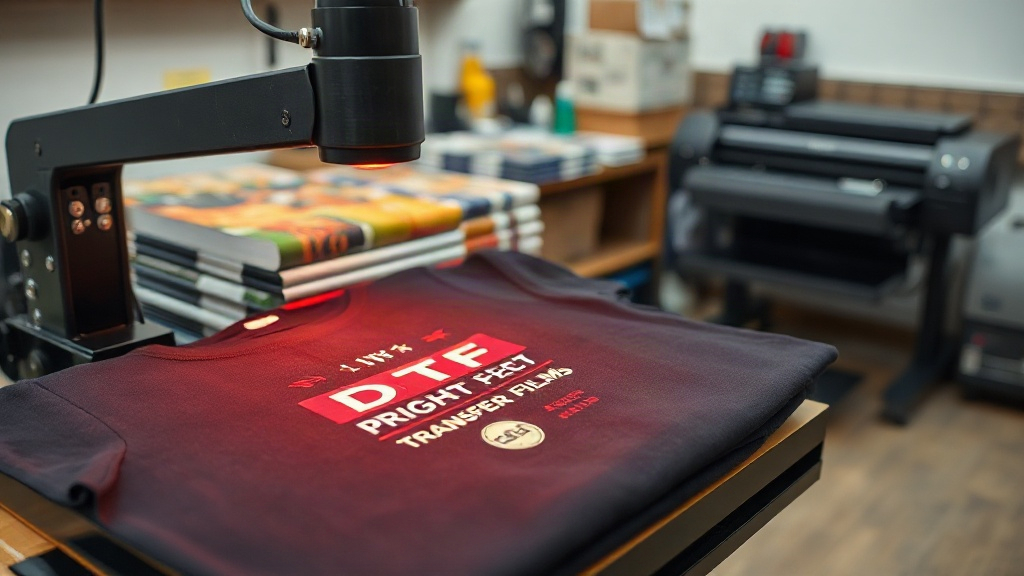
If you've been exploring custom apparel printing, you've likely encountered the term DTF. Short for Direct-to-Film, this technology is quickly becoming a favorite among hobbyists and professionals alike. Unlike traditional methods that require specific fabrics or extensive setup, DTF printing offers a versatile and accessible way to bring your designs to life on a wide range of materials. In this guide, we'll walk you through the essentials of DTF printing, from the basic process to practical tips for achieving professional results.
What Is DTF Printing?
DTF printing, or Direct-to-Film, is a digital printing method where your design is printed onto a special transfer film. The process uses water-based inks and a hot-melt adhesive powder to create a transfer that can be applied to various fabrics using a heat press. This differs from DTG (Direct-to-Garment) printing, which prints directly onto the garment, and from vinyl cutting, which involves layering colored films.
The DTF process begins with printing your design onto a PET film. The printer lays down a layer of white ink (for opacity) followed by CMYK colors. While the ink is still wet, a fine adhesive powder is applied and then cured. The result is a flexible, stretchable transfer that can be stored and used later. When you're ready, you simply heat press the transfer onto your fabric, peel away the film, and the design remains bonded to the material.
Why Choose DTF Printing?
DTF printing has gained popularity for several compelling reasons:
- Fabric versatility: Works on cotton, polyester, blends, and even treated nylon. No need to pre-treat garments.
- Vibrant colors: The white ink base allows for bright, opaque designs on both light and dark fabrics.
- Durability: When applied correctly, DTF transfers withstand repeated washing without cracking or fading.
- Cost-effective for small batches: No minimum order quantities, making it ideal for custom orders.
- Fine detail reproduction: Capable of handling intricate designs with gradients and fine lines.
These advantages make DTF a go-to choice for small business owners, crafters, and anyone looking to create personalized items.
How to Apply DTF Transfers
Applying a DTF transfer is straightforward, but following the correct steps ensures a long-lasting result. Here's a step-by-step guide:
- Preheat your heat press: Set the temperature to around 325°F (160°C).
- Pre-press the garment: This removes moisture and wrinkles, creating a smooth surface.
- Position the transfer: Place the DTF transfer with the printed side facing up on the garment.
- Press: Apply medium pressure for 10-15 seconds.
- Peel: Wait a few seconds for it to cool slightly, then peel off the film. For a matte finish, peel while hot; for glossy, peel when cold.
- Post-press: Cover with parchment paper and press again for 5-10 seconds to enhance adhesion.
Always test on a scrap fabric first to dial in your press settings.
Common Mistakes to Avoid
Even with a simple process, beginners often run into issues. Here are pitfalls to watch out for:
- Insufficient pressure: Leads to poor adhesion and early peeling.
- Wrong temperature: Too hot can scorch the fabric or melt the film; too cold results in weak bond.
- Peeling too soon or too late: Follow the recommended peel method for your film type.
- Not pre-pressing: Moisture can cause the transfer to lift.
Avoiding these mistakes will save you time and materials.
DTF vs. Other Printing Methods
How does DTF stack up against other popular printing techniques?
DTF vs. DTG
DTG prints directly onto the garment, which can be limiting for dark colors and polyester. DTF transfers work on almost any fabric and produce more vibrant colors on darks. However, DTG might feel softer on the hand for light-colored cotton.
DTF vs. Screen Printing
Screen printing is cost-effective for large orders but requires setup per color. DTF excels for small batches and complex designs without setup fees. Screen printing may offer better durability for high-wear items, but DTF is catching up.
DTF vs. Vinyl
Vinyl is great for simple text and shapes but can't handle gradients or fine details. DTF can reproduce full-color images, making it more versatile for detailed artwork.
Getting Started with DTF Printing
If you're ready to dive into DTF printing, here's what you'll need:
- DTF printer: A dedicated printer with white ink capability. Prices range from a few thousand to over ten thousand dollars.
- DTF film: Special PET film designed for DTF printing.
- Adhesive powder: Hot-melt powder for bonding.
- Curing oven or heat press: To cure the powder.
- Heat press: For applying transfers to garments.
- Design software: Such as Photoshop or Illustrator to prepare your artwork.
For those not ready to invest in a printer, you can purchase pre-printed DTF transfers from suppliers like DTF Pro Express. This allows you to test the market without a large upfront cost.
Tips for Professional Results
To achieve store-quality DTF transfers, keep these tips in mind:
- Use high-resolution images: At least 300 DPI for crisp prints.
- Mirror your design: DTF transfers are printed in reverse.
- Control your environment: Dust and humidity can affect print quality.
- Regular maintenance: Clean printheads and check ink levels.
- Test washability: Always wash inside out in cold water and tumble dry low to extend life.
Frequently Asked Questions
How long do DTF transfers last?
With proper application and care, DTF transfers can last as long as the garment itself, often 50+ washes without significant fading or cracking.
Can I use DTF on 100% polyester?
Yes, DTF printing works well on polyester and polyester blends. The lower temperature settings help prevent dye migration.
Do I need a special printer for DTF?
Yes, a dedicated DTF printer with white ink channels is required. However, you can also buy ready-to-press transfers from suppliers.
What's the difference between DTF and DTG?
DTF uses a transfer film and adhesive powder, while DTG prints directly onto the garment. DTF is more versatile with fabrics and colors.
How do I store DTF transfers?
Keep them in a cool, dry place away from direct sunlight. Stored properly, they remain usable for months.
From its versatility to its vibrant results, DTF printing opens up a world of possibilities for custom apparel. Whether you're a hobbyist or a business owner, understanding this technology can help you deliver high-quality products that stand out. Ready to try DTF printing? Explore supplies and transfers at DTF Pro Express to get started today.