If you've ever admired a custom t-shirt with a print so vibrant it seems to leap off the fabric, chances are it was created using dtf transfers. This printing method has taken the custom apparel world by storm, and for good reason. Unlike traditional screen printing, which can be cumbersome and limited in color, DTF (Direct to Film) offers a flexible, cost-effective solution for producing high-quality, full-color designs on a wide range of materials. Whether you're a hobbyist looking to personalize gifts or a small business owner aiming to expand your product line, understanding DTF transfers can open up a world of creative possibilities.
In this guide, we'll walk you through the entire DTF process, from preparing your artwork to applying the finished transfer. We'll share practical tips and insights we've gathered from years of working with dtf printing, so you can avoid common pitfalls and achieve professional-looking results every time. By the end, you'll have a solid grasp of what DTF transfers are, how they work, and why they might be the perfect fit for your next project.
What Are DTF Transfers?
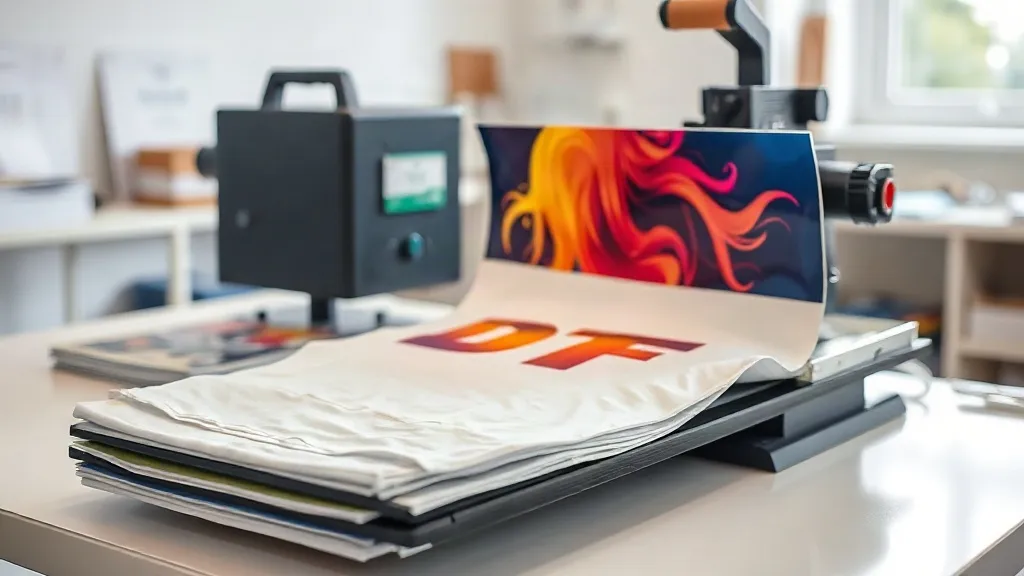
DTF transfers are a type of heat-applied graphic produced by printing a design onto a special film. The process involves printing a mirror image of your artwork onto a PET film using specialized DTF inks, then applying a layer of adhesive powder while the ink is still wet. This powder fuses with the ink when heated, creating a durable, stretchable print that can be transferred onto fabrics using a heat press. The film acts as a carrier, allowing you to apply the design to almost any fabric, including cotton, polyester, blends, and even some non-woven materials.
One of the key advantages of DTF is that it doesn't require pre-treatment of the fabric, unlike DTG (Direct to Garment) printing. This makes the process faster and more accessible for beginners. Additionally, DTF transfers can be stored for extended periods, giving you the flexibility to print designs on demand. The prints are known for their vivid colors, fine details, and soft hand feel, making them ideal for everything from intricate logos to photographic images.
The DTF Transfer Process Step by Step
To achieve consistent results with DTF transfers, it's important to follow a systematic approach. Here's a breakdown of the key steps involved in creating and applying a DTF transfer.
1. Design Preparation
Start with a high-resolution image (300 DPI is recommended). Remember that the design will be printed in reverse, so mirror your artwork horizontally before printing. Ensure that your design has a transparent background and that any text is legible when flipped. If you're new to DTF, begin with simple designs to get a feel for the process.
2. Printing
Load the DTF film into your printer, ensuring the correct side is facing up (usually indicated by a mark or texture). Print the design using DTF inks. It's crucial to use a printer that is specifically configured for DTF printing or has been converted with a DTF ink system. After printing, while the ink is still wet, apply the adhesive powder evenly over the design. Shake off excess powder and then cure the film under a heat source (e.g., a heat press or oven) to melt the powder. This step is critical for the durability of the transfer.
3. Transfer Application
Preheat your heat press to the recommended temperature (typically around 150-160°C or 300-320°F). Place the garment on the press and pre-press for a few seconds to remove moisture. Position the DTF transfer on the garment with the design facing up. Cover with a protective sheet (like parchment paper or a Teflon sheet) and press for 10-15 seconds with medium pressure. Allow the garment to cool completely before peeling the film. Peel the film slowly at a low angle. For a softer feel, you can do a second press for a few seconds after peeling.
Why Choose DTF Transfers?
DTF transfers offer several compelling benefits that make them a popular choice among crafters and professionals alike.
- Versatility: Works on almost any fabric, including cotton, polyester, blends, and even dark colors without needing a white underbase.
- Durability: Prints are stretchable and withstand repeated washing without cracking or fading.
- Cost-effective: No need for screens or platens; one-off designs are as economical as bulk orders.
- High detail: Ideal for complex designs with gradients, fine lines, and photographs.
- Storage: Transfers can be stored for months, allowing for on-demand production.
These advantages make DTF a go-to method for small businesses, especially those offering personalized items. If you're looking for dtf transfers near me, you'll find local providers and online services that can supply custom transfers or even finished garments.
Common Challenges and How to Overcome Them
While DTF is relatively straightforward, beginners often encounter a few hurdles. Here are some common issues and their solutions.
Adhesive Powder Not Melting Properly
If the powder doesn't melt completely, it can result in poor adhesion. Ensure your heat source is at the correct temperature and that you're curing for the right duration. Using a infrared thermometer to verify the temperature can help.
Peeling Issues
If the transfer peels off after washing, it's likely due to insufficient pressure or incorrect peeling temperature. Always allow the garment to cool completely before peeling, and make sure your heat press applies even pressure. Sometimes, a second press after peeling can improve adhesion.
Color Fading
Fading can occur if the transfer is exposed to excessive heat during application or if low-quality inks are used. Use reputable DTF inks and follow the recommended temperature settings. Also, washing the garment inside out in cold water and avoiding harsh detergents can prolong the print's life.
DTF vs. Other Printing Methods
Understanding how DTF compares to other popular printing techniques can help you choose the right method for your needs.
- DTF vs. Screen Printing: Screen printing is cost-effective for large orders but requires setup for each color. DTF excels for small batches and complex designs with many colors.
- DTF vs. DTG: DTG requires pre-treatment and is mainly for cotton. DTF works on more fabrics and doesn't need pre-treatment, but DTG can have a softer feel on cotton.
- DTF vs. Vinyl: Vinyl is great for simple shapes and text but limited in detail and color blending. DTF handles full-color images and gradients with ease.
Each method has its strengths, so consider your design complexity, fabric type, and order size when deciding.
Tips for Getting the Best Results
To ensure your DTF transfers look professional and last long, keep these tips in mind:
- Always test your settings on a scrap fabric before pressing your final garment.
- Store unused transfers in a cool, dry place away from direct sunlight.
- Use a heat press rather than an iron for consistent temperature and pressure.
- Clean your heat press platen regularly to avoid residue transferring to garments.
- For stretchy fabrics, consider using a stretch additive in the ink or a transfer designed for stretch.
By following these guidelines, you'll minimize errors and produce high-quality items that impress your customers.
Frequently Asked Questions
Can I use DTF transfers on dark-colored shirts?
Yes, DTF transfers work beautifully on dark fabrics because the white ink layer in the transfer provides a bright base for the colors. There's no need for a separate white underbase.
How long do DTF transfers last?
When applied correctly, DTF transfers can last as long as the garment itself, withstanding 50+ washes without significant fading or cracking. Proper washing (inside out, cold water) extends longevity.
Do I need a special printer for DTF?
You can use a converted inkjet printer with DTF inks and a powder shaker, or purchase a dedicated DTF printer. Many online services offer printed transfers if you don't want to invest in equipment.
What fabrics can I apply DTF transfers to?
DTF works on cotton, polyester, blends, canvas, denim, and even some non-woven materials. It's not recommended for nylon or fabrics with special coatings.
How do I find DTF transfers near me?
Search online for local DTF printing services or check with craft stores. Many companies offer custom transfers with quick turnaround and shipping.