
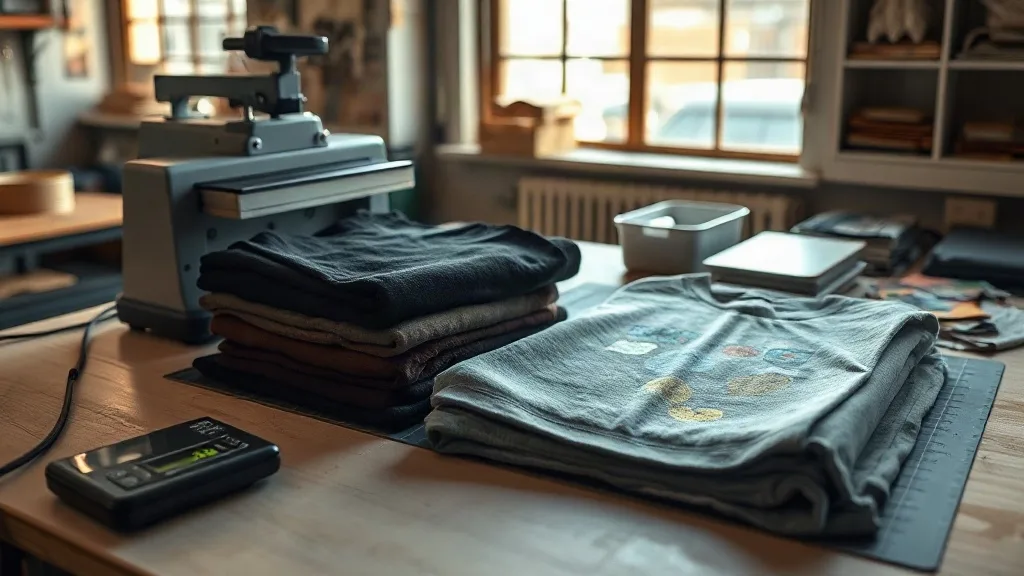
Walk into almost any print shop that handles streetwear orders and you will eventually spot a stack of shaka wear tees waiting to be pressed. The brand has quietly become a default choice for printers who need blanks that feel substantial, take a transfer cleanly, and survive the wash cycle without turning into a wrinkled mess. If you are building a DTF operation or refining the one you already run, understanding what makes these garments behave the way they do can save you from costly reprints and unhappy customers.
This guide skips the marketing language and focuses on what actually matters at the press: fabric weight, surface texture, color accuracy, and how a well-planned DTF Gangsheet Builder can turn a good blank into a repeatable, profitable product.
Why Heavyweight Blanks Matter for DTF Printing
Direct-to-film transfers are thin, flexible, and surprisingly durable, but they are not magic. The film bonds to the fabric through heat and pressure, and the quality of that bond depends heavily on what it is bonding to. A lightweight, loosely knit jersey can pucker under the press, and the print may start to crack along fold lines after a few washes. Heavier cotton knits give the adhesive something stable to grip.
Shaka Wear built its reputation on exactly this kind of fabric. Their core tees typically run in the 6 to 7 ounce range, with dense, tight knitting that resists stretching during application. That density matters more than most beginners realize. When you press a transfer onto a thin shirt, the fabric can shift and stretch under the platen, which distorts the design slightly. On a heavier garment, the fibers stay put, so the graphic lands where you intended it.
Surface Texture and Adhesion
Ring-spun cotton has a smoother face than open-end cotton, and smoother faces generally accept DTF adhesive more evenly. Shaka Wear leans toward ring-spun and combed cotton in many of its styles, which means fewer stray fibers poking through the printed area. Those stray fibers are a common cause of that speckled, slightly fuzzy look on cheaper blanks, especially on darker colors where any imperfection shows up immediately.
There is a tradeoff worth mentioning. Very smooth, tightly woven fabrics can sometimes require slightly more pressure to get full adhesive contact, because there is less surface texture for the adhesive to bite into. In practice, most printers find that a standard 15-second press at moderate pressure works well, but it pays to run a test shirt from every new batch before committing to a full order.
Color Consistency Across a Large Order
Anyone who has printed a 200-piece team order knows the nightmare of dye lot variation. You print the first fifty shirts, then open a new box and discover the black is a shade off from the previous batch. Suddenly your client is comparing two shirts side by side and asking uncomfortable questions.
Shaka Wear tends to hold its dye consistency well across production runs, which is one reason shops keep coming back to it for bulk work. For DTF specifically, consistent garment color also means your white ink base behaves predictably. A slightly lighter black shirt will make your white underbase look brighter by contrast, and if the next batch is darker, the same design can appear duller. Stable blanks reduce that variable.
Working With Dark and Light Garments
DTF transfers include a white ink layer, so they work on virtually any garment color. That said, light colors and dark colors behave differently in two important ways:
- Opacity perception: On dark shirts, the white base carries more visual weight, so fine details can look slightly thicker than they do on white shirts.
- Heat absorption: Dark garments absorb more heat during pressing, which can affect cure time. You may need to shave a second or two off your dwell time to avoid over-curing the adhesive.
Neither issue is a dealbreaker, but both are worth testing before a large run. Press one light and one dark sample from the same gangsheet and compare them side by side.
Planning Your Gangsheet Around Garment Sizes
This is where a lot of small shops leave money on the table. A DTF Gangsheet Builder lets you arrange multiple designs onto a single film sheet, which cuts down on wasted film, reduces setup time, and lowers your per-unit cost. The trick is planning the layout around the sizes you are actually printing, not just squeezing in as many designs as possible.
Consider a typical order: twelve smalls, twenty mediums, eighteen larges, and six extra larges. The chest print might be the same across all sizes, but the placement height changes as the shirt gets bigger. If you build one gangsheet with all the chest prints at a single size, you will either print them too small for the large shirts or too large for the smalls.
A Simple Sizing Strategy
- Group your order by size band: small through medium, large through extra large, and anything above that.
- Build a separate gangsheet section for each band, scaling the artwork by roughly 5 to 10 percent between bands.
- Fill leftover space with back prints, sleeve hits, or small logo tags that use the same color profile.
- Label each section on the film so the press operator knows exactly which piece goes where.
That last step sounds trivial until you are pressing forty shirts in an afternoon and trying to remember which small graphic belonged to the medium stack. A little organization on the front end prevents a lot of confusion later.
Press Settings That Work With Heavyweight Cotton
Every press is a little different, and every film brand has its own recommended settings, so treat these numbers as a starting point rather than gospel. Still, heavyweight cotton like Shaka Wear generally responds well to the following approach:
- Temperature: Around 300 to 315 degrees Fahrenheit for the transfer step.
- Pressure: Medium to firm. You want the fabric compressed but not flattened into a pancake.
- Dwell time: 12 to 15 seconds for the initial press, followed by a short second press after peeling the film.
- Peel: Warm peel is usually more forgiving on dense cotton than a cold peel, which can leave adhesive residue behind.
One detail that catches people off guard: heavyweight shirts hold heat longer than thin ones. If you stack freshly pressed shirts on top of each other, the residual heat can soften the adhesive before it fully sets. Give each shirt a moment to cool on a rack before folding it. It sounds like a small thing, but it makes a measurable difference in wash durability.
Wash Testing and Customer Expectations
Before you promise a client that a print will last fifty washes, you should actually wash one. Run a sample through a normal cycle inside out, tumble dry low, and inspect it. Then do it again. Most quality DTF transfers on dense cotton will hold up well for dozens of cycles, but the weak points tend to appear at the edges of the design, where the adhesive meets the fabric.
If you see lifting at the corners after the first wash, the likely culprits are insufficient pressure, a dwell time that was too short, or pressing over a seam. Seams are a real problem on heavyweight garments because the fabric thickness doubles there, and the press cannot reach the transfer evenly. Either reposition the design to avoid seams or use a pressing pillow to level the surface.
What to Tell Your Customers
Simple care instructions go a long way. Ask them to wash inside out, avoid fabric softener directly on the print, and skip the high heat dryer setting. Most people follow these instructions willingly once they understand why, and the ones who do will come back with a shirt that still looks new months later.
Choosing the Right Shaka Wear Style for Your Product Line
Not every project calls for the same garment. A boxy streetwear tee has different requirements than a fitted retail shirt or a heavyweight hoodie. Spend some time handling samples before you commit to a style for a full collection. Pay attention to how the collar sits, how the shoulders drape, and whether the fabric has enough structure to support a large back print without sagging.
Large back prints are where heavyweight construction really earns its keep. On a lighter shirt, a big transfer can add enough weight to pull the fabric down and distort the drape. On a dense cotton tee, the print sits on top of the fabric rather than dragging it out of shape.
Frequently Asked Questions
Does DTF printing work well on heavyweight cotton shirts?
Yes, heavyweight cotton is generally one of the better surfaces for DTF transfers. The dense knit holds the adhesive steadily during pressing and resists the stretching that can cause cracking on thinner fabrics. Just confirm your press settings with a test shirt, since heavier fabric may need slightly more pressure than a lightweight jersey.
How do I avoid wasted film when printing small orders?
Combine designs from multiple orders onto one sheet whenever the color profiles match. A DTF Gangsheet Builder makes this straightforward by letting you place and resize artwork on a single canvas. Even a handful of small logo prints can fill the gaps around your main designs and reduce the amount of film you throw away.
Why does my DTF print look fuzzy on dark shirts?
Fuzziness usually comes from fabric fibers pushing up through the adhesive layer during pressing. It is more common on loosely knit or brushed fabrics. Choosing a tighter, smoother blank and applying firm, even pressure helps. A short second press after peeling the film can also smooth out minor texture issues.
How long should I press a DTF transfer onto a heavyweight tee?
Most films call for 12 to 15 seconds at roughly 300 to 315 degrees Fahrenheit. Heavyweight cotton may need firm pressure to ensure full contact, and a brief second press after peeling improves the bond. Always follow your film manufacturer's recommended settings first, then adjust based on your test results.
Can I print on both the front and back of the same shirt?
Absolutely, and heavyweight blanks handle this better than thin ones because the fabric can support two transfers without losing structure. Press the smaller design first, let the garment cool completely, then press the second design. Cooling between presses prevents the first transfer from softening under repeated heat.