
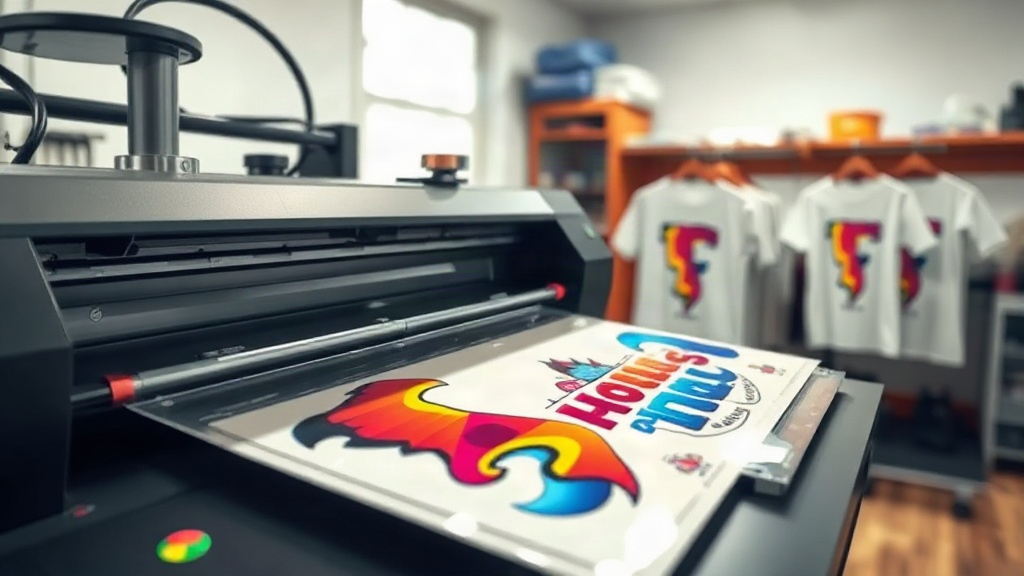
When you first hear about DTF printing, it might sound like just another printing acronym. But for anyone who creates custom apparel, DTF (Direct to Film) is a game-changer. Unlike traditional methods that require specific fabrics or lots of setup, DTF lets you print full-color designs onto a special film and then transfer them to almost any garment. Whether you're a small business owner, a hobbyist, or just someone who loves personalized t-shirts, understanding DTF can open up a world of possibilities.
What Exactly Is DTF Printing?
DTF stands for Direct to Film. It's a printing process where your design is printed onto a PET film using specialized inks, then coated with a powder adhesive, and finally heat-pressed onto the fabric. The magic is that the design sits on top of the fabric rather than being dyed into it, which means you can print on dark colors, light colors, cotton, polyester, and even blends without worrying about the design fading or cracking easily.
The process involves a few key steps: designing your artwork, printing it with a DTF printer, applying the adhesive powder, curing the powder, and then transferring it with a heat press. Each step has its own nuances, but once you get the hang of it, it's surprisingly straightforward.
Why Choose DTF Over Other Printing Methods?
If you've tried screen printing or vinyl, you know they have limitations. Screen printing is cost-effective for large orders but expensive for small batches with multiple colors. Vinyl is great for simple designs but struggles with gradients and fine details. DTF bridges the gap: it handles complex, multi-color designs with ease, and it's cost-effective for both small and large runs.
Another big advantage is fabric compatibility. With DTF, you can print on 100% cotton, 100% polyester, 50/50 blends, and even spandex. This versatility means you don't need to stock different supplies for different garments. Plus, the prints are durable; they stretch with the fabric and resist cracking, which is perfect for activewear.
How to Get Started with DTF Printing
Getting into DTF printing doesn't require a huge investment, but you do need the right equipment. Here's what you'll need:
- DTF Printer: A dedicated DTF printer or a converted inkjet printer that uses DTF inks. Prices range from a few hundred to several thousand dollars.
- DTF Inks: These are specially formulated pigment inks that work with the film.
- PET Film: The transfer film comes in rolls or sheets. Choose a quality film for best results.
- Adhesive Powder: This is what makes the design stick to the fabric. It's usually TPU-based.
- Heat Press: A heat press is essential for transferring the design. You'll need one that reaches at least 325°F (160°C).
- Curing Oven or Heat Gun: To melt the adhesive powder evenly.
Once you have your gear, the workflow is: print, powder, cure, press. It sounds simple, but each step has best practices. For example, you need to print with the correct color profile, apply the powder evenly, and cure at the right temperature. Practice makes perfect.
Designing for DTF
Not all designs work well with DTF. Since the ink sits on top of the fabric, very fine lines or tiny text might not hold up as well. It's best to use bold, clear designs with good contrast. Also, remember that DTF prints have a slight hand feel; they're not completely invisible like dye sublimation, but they're much softer than vinyl.
Common Challenges and How to Overcome Them
Like any craft, DTF printing has its quirks. One common issue is the powder not sticking properly, which can lead to the design peeling off. This usually happens if the ink isn't completely dry before powdering or if the powder is applied too thinly. Another issue is color accuracy; you might find that the printed colors look different from your screen. Calibrating your printer and using ICC profiles can help.
Another challenge is film selection. Cheap films can cause the ink to smear or the transfer to fail. Investing in quality film from a reputable supplier saves you headaches. Also, storing your prints properly before pressing is crucial; keep them in a cool, dry place to prevent the powder from absorbing moisture.
Applications of DTF Printing
DTF is incredibly versatile. It's used for custom t-shirts, hoodies, tote bags, caps, and even shoes. Small businesses love it for creating on-demand products without holding inventory. Event organizers use it for team jerseys and promotional items. Crafters use it to personalize gifts. The possibilities are endless.
Because DTF works on so many fabrics, it's also popular for printing on polyester sportswear, where other methods might fail. The stretchability of the print makes it ideal for yoga pants and athletic shirts.
Tips for Success with DTF
To get the best results, follow these tips:
- Start with quality supplies. Don't skimp on ink, film, or powder. Quality materials yield quality prints.
- Master your heat press. Consistent temperature and pressure are key. Use a infrared thermometer to check the actual temperature of your press.
- Test, test, test. Before printing a large order, do a test press on a scrap garment to dial in your settings.
- Keep your printer maintained. Regular cleaning and nozzle checks prevent clogs and ensure smooth printing.
- Store prints correctly. Keep unused transfers in a sealed bag away from moisture and direct sunlight.
Frequently Asked Questions About DTF Printing
How long do DTF prints last?
With proper application and care, DTF prints can last as long as the garment itself. They resist cracking and fading, especially if you wash the garment inside out in cold water and avoid high heat in the dryer.
Can I use DTF on 100% cotton?
Absolutely. DTF works beautifully on 100% cotton, as well as polyester and blends. It's one of the few methods that doesn't require a specific fabric type.
Do I need a special printer for DTF?
You can either buy a dedicated DTF printer or convert a regular inkjet printer to use DTF inks. However, dedicated printers are designed for the process and often yield better results with less hassle.
Is DTF printing cost-effective for small orders?
Yes, DTF is very cost-effective for small to medium orders because there's no minimum quantity. You can print one shirt or one hundred with the same setup.
How do I wash a DTF-printed garment?
Turn the garment inside out and machine wash in cold water. Tumble dry on low or hang dry. Avoid ironing directly on the print. Following these steps will keep your DTF prints looking new for a long time.
With its versatility, durability, and ease of use, DTF printing is a fantastic option for anyone looking to create custom apparel. Whether you're just starting out or looking to expand your printing capabilities, DTF is worth exploring. For more tips and supplies, visit dtfproexpress.com.