
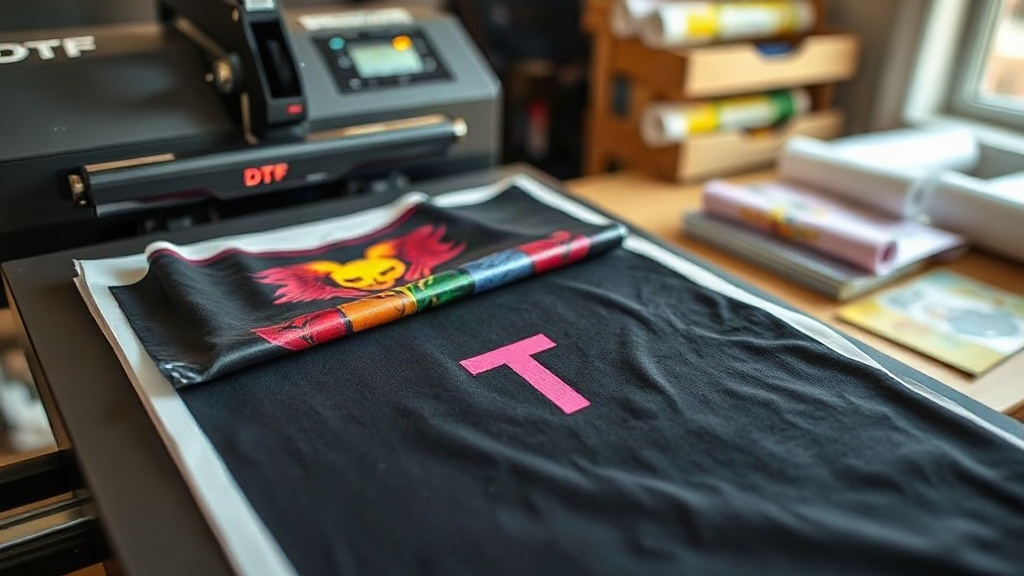
Imagine pressing a vibrant, full-color design onto a dark cotton t-shirt without worrying about weeding or layered vinyl. That's the promise of DTF printing, a technology that has rapidly become a favorite among crafters and commercial printers alike. Unlike traditional methods, DTF (Direct to Film) transfers offer unmatched versatility, letting you print intricate details on almost any fabric. In this guide, we'll cover everything you need to know to master DTF printing, from the basics to pro tips.
What Exactly Is DTF Printing?
DTF printing is a digital printing process where your design is printed onto a special PET film using water-based pigments. A thermoplastic powder adhesive is then applied to the wet ink, and the film is cured. The result is a transfer that can be heat-pressed onto fabrics. The magic lies in the adhesive: it bonds the ink to the fabric, creating a durable, stretchable print. Because the design sits on top of the fabric rather than being dyed into it, DTF works on 100% cotton, polyester, blends, and even treated nylon. This opens up possibilities that other methods like DTG or sublimation can't match.
Why Choose DTF Over Other Printing Methods?
If you've tried screen printing or vinyl, you know the limitations: screens are expensive for multi-color jobs, and vinyl is tedious to weed. DTF eliminates those pain points. Here's why it stands out:
- No color limits: Print photorealistic images with gradients and fine details in a single pass.
- No weeding or masking: The film comes ready to press, saving hours of labor.
- Works on dark garments: A white ink layer ensures colors pop on black or navy shirts.
- Durable and stretchable: Properly applied DTF transfers withstand dozens of washes without cracking or fading.
- Low startup cost: You don't need expensive screens or a dedicated DTG printer; a quality DTF printer and heat press are enough.
For small businesses and hobbyists, these benefits translate to faster turnaround and happier customers. You can offer one-off custom designs without minimums, which is a game-changer for personalized gifts and small batches.
How to Apply DTF Transfers: Step-by-Step
Applying a DTF transfer is straightforward, but following the right steps ensures a professional finish. Here's the process I've refined after countless presses:
Step 1: Prepare Your Workspace and Garment
Preheat your heat press to 325°F (160°C). While it heats, lint-roll your garment to remove dust or fibers. Any debris can cause the transfer to lift. Place the garment flat on the press, smoothing out wrinkles. If you're using a shirt with a zipper or buttons, use a pressing pillow to avoid uneven pressure.
Step 2: Position the Transfer
Trim any excess film around your design, leaving a small border. Place the transfer onto the garment with the printed side facing up. The adhesive side (which feels slightly tacky) should be against the fabric. Use heat-resistant tape if you need to secure it.
Step 3: Press and Peel
Cover the transfer with a Teflon sheet or parchment paper. Press with medium-heavy pressure for 15-20 seconds. For the best results, do a second press for another 10 seconds after removing the Teflon. Then, while the transfer is still hot, peel the film off in a smooth, continuous motion. If you see any ink lifting, press again for a few seconds and re-peel.
Step 4: Post-Press for Durability
After peeling, cover the design with Teflon and press again for 10 seconds. This final step ensures the adhesive fully bonds and the ink settles. Let the garment cool completely before wearing or washing.
Common DTF Printing Mistakes and How to Avoid Them
Even seasoned crafters run into issues. Here are the most common pitfalls and their fixes:
- Insufficient pressure: If the transfer peels off after washing, your pressure was too light. Increase it until the press locks firmly.
- Wrong temperature: Too hot and the film curls; too cold and the adhesive doesn't activate. Invest in an infrared thermometer to verify your press's actual temperature.
- Peeling too soon or too late: Hot peel is standard for DTF, but some films require cold peel. Always check your film's instructions.
- Not pre-pressing: Skipping the pre-press leaves moisture in the fabric, causing steam that ruins the bond.
- Poor storage: Store unused transfers in a cool, dry place away from direct sunlight. Humidity can make the powder clump.
By avoiding these mistakes, you'll get consistent, wash-resistant results every time.
DTF vs. DTG vs. Sublimation: Which Is Right for You?
Choosing the right method depends on your fabrics and designs. DTF shines on cotton and blends, while DTG (Direct to Garment) is best for 100% cotton and offers a softer hand feel but requires pre-treatment. Sublimation only works on polyester or polymer-coated items and won't print white ink. For a versatile solution that handles both light and dark fabrics with vibrant colors, DTF is often the winner. It's also more cost-effective for small runs because you don't need pre-treatment or specialized substrates.
Expert Tips for Flawless DTF Transfers
After pressing thousands of transfers, I've picked up a few tricks that make a big difference:
- Use a quality heat press: A clamshell or swing-away press with accurate temperature control is essential. Irons don't provide even pressure.
- Test your settings: Every press and film brand behaves differently. Run a test shirt with your typical design before a big order.
- Mind the powder: When applying adhesive powder, shake off excess gently. Too much powder leads to a rough texture; too little causes poor adhesion.
- Cure properly: If you're making your own transfers, ensure the ink is fully dry before powdering. A dehydrator helps.
- Wash inside out: Advise customers to wash garments inside out in cold water and tumble dry low to extend the print's life.
These small details separate amateur results from professional ones.
Frequently Asked Questions About DTF Printing
How long do DTF transfers last?
With proper application and care, DTF transfers can last 50+ washes. The key is following the pressing instructions and avoiding high heat when washing or drying.
Can I use DTF on 100% polyester?
Yes, DTF works on polyester, but the temperature should be slightly lower (around 300°F) to prevent dye migration. Always test first.
Do I need a special printer for DTF?
You can convert an Epson printer with DTF ink and a powder shaker, or buy a dedicated DTF printer. For occasional use, ordering pre-printed transfers is more economical.
What's the difference between DTF and DTG?
DTF uses a film transfer and works on more fabrics, while DTG prints directly onto the garment and requires pre-treatment. DTF generally offers better durability on dark colors.
Can I stretch a DTF print?
Yes, DTF transfers are stretchable, making them ideal for athletic wear. However, excessive stretching can cause cracking over time.
Whether you're a hobbyist or running a print shop, DTF printing opens up a world of possibilities. With the right techniques and a bit of practice, you'll be creating stunning, long-lasting apparel that your customers will love. Ready to get started? Explore our range of DTF supplies and transfers at DTF Pro Express to bring your designs to life.